


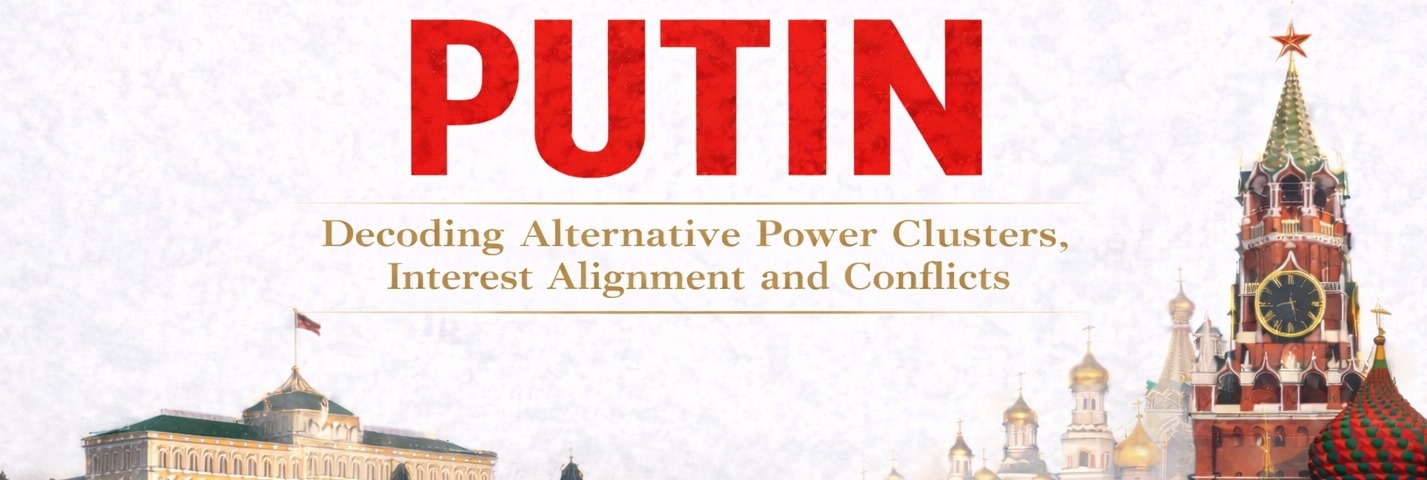

At the presentation of the research “After Putin: Decoding Alternative Power Clusters, Interest Alignment and Conflicts“, a comprehensive analysis of Russia’s power architecture was introduced. The study systematically maps sectoral power clusters, identifies key elite actors from the security, economic, technocratic, and regional spheres, and analyzes the alignment of interests and sources of conflict within the system. Particular attention was given to the role of resource control, institutional leverage, and informal networks that shape intra-elite bargaining and the balance of power. The research places special emphasis on the question of what configuration may emerge after Putin’s “exit” from the political system.
The discussion was held together with representatives of UGSPN’s partner organization, SCEEUS. Participants critically examined potential configurations of power realignment in post-Putin scenarios. The debate addressed issues related to the intersection of elite interests, risks of systemic fragmentation, and the resilience of the existing power configuration.
The full research text is available at the link below: