




 The Impact of the Russia-Ukraine War on the ...
Abstract
This paper analyzes the transformation of the EU's enlargement policy during the ongoing war in Ukraine through a comparative study of Moldova and Georgia. While the geopolitical crisis propelled Moldova to open EU accession negotiations due to successful democratic and structural reforms, Georgia’s democratic backsliding and anti-Western turn have brought its integration process to a de facto standstill, leaving its candidate status purely nominal.
Methodologically, this research builds upon a comparative case study approach to evaluate how shifting external geopolitical pressures interact with domestic political structures in Moldova and Georgia. Building on the literature on the EU’s geopolitical turn, the paper starts from the premise that Russia's invasion of Ukraine fundamentally disrupted the post-Cold War security architecture, compelling the European Union to transition from a normative and technocratic actor into a geopolitical security provider, thereby revitalizing an otherwise stagnant enlargement policy.
Against this backdrop, Moldova successfully leveraged the geopolitical window of opportunity and strictly aligned its internal reforms with European standards. In stark contrast, despite being granted candidate status in December 2023, Georgia experienced a severe trend of democratic backsliding.
The Russia-Ukraine war has created a critical geopolitical momentum for potential EU integration, however, the realization of this window remains precarious and contingent upon the war concluding on terms that secure regional stability. In any case, the comparative analysis of Moldova and Georgia demonstrates that external geopolitical factors alone are insufficient. While Moldova has made substantial, though incomplete, progress in dismantling the networks of state capture, Georgia's ruling elite prioritized narrow partisan interests and authoritarian consolidation, once again confirming that the realization of a European future remains strictly contingent upon domestic political will, democratic resilience, and an unwavering commitment to the rule of law.
 The Fog of War Meets the Algorithm: What ...
Author: Revaz Topuria
This article examines what the war reveals about the actual military utility of battlefield AI, its genuine contributions, its structural limitations, and its implications for the future of armed conflict. Drawing on operational reporting, peer-reviewed analysis, and critical war studies scholarship, it traces AI's role across Ukrainian drone warfare and targeting, the compression of the intelligence-to-strike cycle through platforms such as Palantir, Russia's more centralised and comparatively underdeveloped AI posture, and the unprecedented involvement of Western private technology firms as de facto participants in the conduct of hostilities. The analysis finds that AI has not proven decisive in the conventional sense, its battlefield value is highly context-dependent, eroded rapidly through adversarial adaptation, and ultimately contingent on institutional integration rather than algorithmic sophistication alone. Engaging Bousquet's concept of technoscientific regimes and Der Derian's theory of "virtuous war," the article argues that AI has made the battlefield more legible without making it more decisive, thinning the fog of war while leaving the underlying frictions of logistics, organisation, and political will largely intact. It concludes that the war's deepest lesson is not technological but structural, that the states best positioned for future conflict will be those that master not the algorithm, but the organisation built around it, a finding with significant implications for the unresolved governance of autonomous weapons and the growing privatisation of military AI.
 საქართველო და შავი ზღვა: სტრატეგიული მნიშვნელობა ცვალებად რეგიონალურ ...
ავტორი: ნატა ქორიძე
 After Putin Decoding Alternative Power Clusters, Interest Alignment ...
Putin’s Russia is directly associated with the so-called power-vertical (vertical vlasti) in which every
major political decision regarding structural changes is linked to the Kremlin, i.e., Putin and his
entourage. Nonetheless, as in every authoritarian system, personal loyalty does not preclude from
building informal alliances and shared interests between powerful actors, whether political or eco
nomic. As there is no way of changing the political regime in Russia democratically, and the only
remaining option is a coup d’état-like scenario, the key question remains – who will become Putin’s
successor, and consequently, which powerful actors will build alternative power centers rivaling for
political survival and ultimate political dominance in post-Putin Russia?
While focusing on the mentioned puzzle, the research project followed the logic of the sequence of
analytical steps. First, the snapshot of the current situation in Russia, i.e., a comprehensive analysis
of the socio-political and economic status quo was done, in which major sectors of Russia’s politi
co-economic fabric were reviewed and assessed. The sectoral dynamics review was followed by
an analysis of major actors, their relevance, and their interests in respective sectors. These included
both political actors (individuals and institutions) as well as oligarchs and regional elites, with their
respective sector-linked power, financial resources or personal ties. In the end, the hypothetical
scenario, in which Putin’s figure no longer exists and power-vertical becomes questionable, made it
possible to construct a number of prospective rivaling power-centers, in which personal, corporate,
political, and financial interests of powerful actors converge. These power-centers will inevitably try
to acquire political legitimacy, oligarchic resource base, and hard (military) power, to compete and
survive. All these findings are addressed by this research, sufficiently elaborated and presented for
further discussion.
 More EU in Europe vs More EU in ...
Disclaimer:
This article was first published in Un cambio de época: América del Norte y la intervención rusa en Ucrania. Geopolítica y nuevas dinámicas de la globalización.
Abstract
This paper examines the evolving dilemma of European defence integration through the prism of the debate between “more EU in Europe” and “more EU in NATO.” It analyzes the structural, political, and strategic tensions shaping EU–NATO defence cooperation in the context of renewed great-power competition and Russia’s war against Ukraine. The study situates the discussion within broader debates on European strategic autonomy, transatlantic burden-sharing, and institutional duplication, assessing whether deeper EU defence integration strengthens or fragments the Euro-Atlantic security architecture. By exploring initiatives such as PESCO, the European Defence Fund, and the EU Strategic Compass alongside NATO’s force posture adaptation and enlargement dynamics, the paper evaluates the degree of complementarity and competition between the two organizations.
The analysis argues that the core challenge is not a binary institutional choice but the management of functional interdependence between the EU and NATO. While greater EU defence capabilities may enhance European resilience and contribute to fairer burden-sharing within NATO, misaligned political visions, capability gaps, and strategic divergences risk reinforcing fragmentation. The paper concludes that sustainable European security requires calibrated integration: strengthening EU defence instruments while anchoring them firmly within NATO’s collective defence framework. The future of Euro-Atlantic security will depend on whether policymakers can reconcile ambitions for European autonomy with the enduring strategic centrality of NATO.
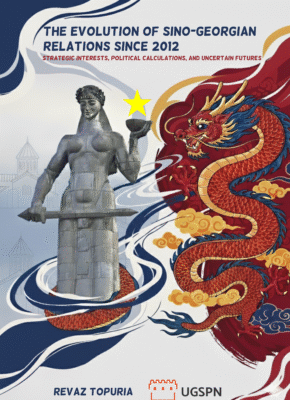 The Evolution of Sino-Georgian Relations Since 2012: Strategic ...
This article provides a comprehensive analysis of the transformation in Sino-Georgian relations since 2012, highlighting how bilateral ties have evolved from limited economic engagement into a formal strategic partnership. It situates this evolution within China’s more assertive foreign policy under Xi Jinping, embodied in the Belt and Road Initiative and Georgia’s strategic recalibration under the Georgian Dream government. The study examines China’s motivations, including logistical access via the Middle Corridor, political diversification in the Black Sea region, and symbolic partnership with a cooperative democracy. It explores Georgia’s calculus in seeking alternative sources of investment, hedging against Western conditionality, and leveraging the relationship for domestic legitimacy. The article then assesses key risks: the asymmetry of power and unmet expectations, the tension between Georgia’s Euro-Atlantic aspirations and deeper ties with China, the waning momentum of the BRI, and the fragility of a pragmatism-based partnership. In conclusion, it argues that without stronger institutional mechanisms and clearer strategic objectives, the Sino-Georgian partnership is likely to remain symbolic rather than transformative, offering cautionary lessons for small-state diplomacy in a multipolar world.
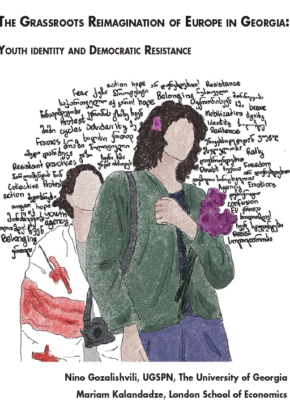 The Grassroots Reimagination of Europe in Georgia: Youth ...
Youth resistance in Georgia has emerged as a key actor within the landscape of non-parliamentary opposition. This paper examines how university students mobilised during the 2024 protests, not simply to contest a piece of legislation, but to engage in broader acts of political redefinition and identity reclamation. Drawing on twenty-eight ethnographic diaries, the paper investigates how emotional, symbolic, and generational practices are deployed by young activists to articulate belonging, citizenship, and resistance outside formal political institutions.
Rather than acting in coordination with the parliamentary opposition, students build their own oppositional identity through emotionally charged practices such as “identity marches,” protest rituals, and symbolic appropriation of public space. These actions reveal how emotions—particularly anger, hope, fear, pride, and confusion—function as more than expressive tools: they structure participation, forge horizontal solidarities, and sustain collective motivation over time.
The analysis highlights how students reinterpret national and European belonging as affective and civic projects, positioning themselves in opposition to both Russian influence and domestic political elites. Their actions suggest a transformation of Europeanisation from a top-down institutional narrative into a lived, grassroots civic identity. This case contributes to broader discussions on how extra-institutional opposition actors generate political agency in post-communist hybrid regimes.
 ყოველწლიური ანგარიში 2024
UGSPN-ის ყოველწლიური ანგარიში
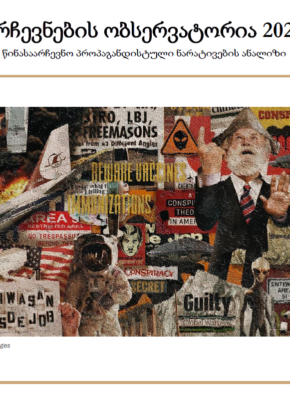 საქართველოს საარჩევნო ობსერვატორია 2024
საქართველოს საარჩევნო ობსერვატორია (GEObserver 24) მოკლევადიანი ინიციატივაა, რომელიც მიზნად ისახავს 2024 წლის წინასაარჩევნო ნარატივების ფაქტ-ჩეკინგს. კლასიკური ფაქტ-ჩეკინგისგან განსხვავებით, ობსერვატორია არამხოლოდ ცალკეულ განცხადებებს ამოწმებს, არამედ მთლიან ნარატივს განიხილავს და მედია ანალიზთან ერთად, პოლიტიკურ ანალიზსაც გთავაზობთ. ობსერვატორია Fojo Media Institute-ის საგამოძიებო მედია ლაბისა (IML) და საქართველოს უნივერსიტეტის უსაფრთხოების, პოლიტიკისა და ნაციონალიზმის კვლევის ცენტრის (UGSPN) ერთობლივი პროექტია.
სტატიებში გამოთქმული მოსაზრებები, შესაძლოა, არ გამოხატავდეს ზემოთ ჩამოთვლილი ორგანიზაციების შეხედულებებს.
 სპეცსამსახურების როლი რუსული ჰიბრიდული ომის წარმოებაში
ავტორი: ნიკოლოზ ქავთარაძე
პუტინის მმართველობის პირობებში რუსეთმა გლობალურ ამოცანად დაისახა მსოფლიო ასპარეზზე ისეთ გავლენიან მოთამაშედ დაბრუნება (საბჭოთა კავშირის დროინდელი ძალაუფლების ნოსტალგიის ჭრილში), რომელიც დაასრულებდა დასავლურ ჰეგემონიას და წამყვან, შესაძლოა გადამწყვეტ როლსაც კი ითამაშებდა მრავალპოლუსიან მსოფლიო წესრიგში. ზემოხსენებული მიზნის მისაღწევად კრემლმა დასავლური ლიბერალური დემოკრატიის წინააღმდეგ „გლობალური“ ომის წარმოება დაიწყო. კრემლის გეგმით ასეთი ომის შედეგად ავტორიტარიზმმა დემოკრატიაზე უნდა გაიმარჯვოს, უნდა შეიკრას ავტორიტარული, არადემოკრატიული და ნაკლებად დემოკრატიული ქვეყნების ფორმალური თუ არაფორმალური ალიანსი და შესაბამისად შეიცვალოს სამართალზე დაფუძნებული საერთაშორისო წესრიგი.
 მედეგობის ინდექსი 2024
„მედეგობის/მოწყვლადობის შეფასების ინსტრუმენტის“ ანგარიშში, ამ პროექტის ფარგლებში შემუშავებული მედეგობის/მოწყვლადობის (R/VAT) მოდელის მეშვეობით შეფასებულია საქართველოს პოლიტიკური სისტემის და მისი ძირითადი აქტორების მედეგობის/მოწყვლადობის პოტენციალი რუსული მავნე ნარატივების გავრცელების საფრთხესთან მიმართებაში.
 The Radical Right and Youth in Georgia: Networks, ...
This research analyzes contemporary trends of radicalization within Georgia, with a specific focus on the
young adult demographic. Central to this study is the deconstruction of mobilization strategies employed by the radical right, understanding their appeal among young supporters, and illuminating the motivations behind their engagement with various radical-right discourses and groups. Additionally, the analysis unpacks the commonly attributed “pro-Russian” label associated with the Georgian far right and explain the nuances of this association.
 გადმოწერა